Tracing Incentive Lifecycles Through Tournament Schedules in Hybrid Athletic and Gaming Platforms
Zara Schmitz · Jun 2, 2026
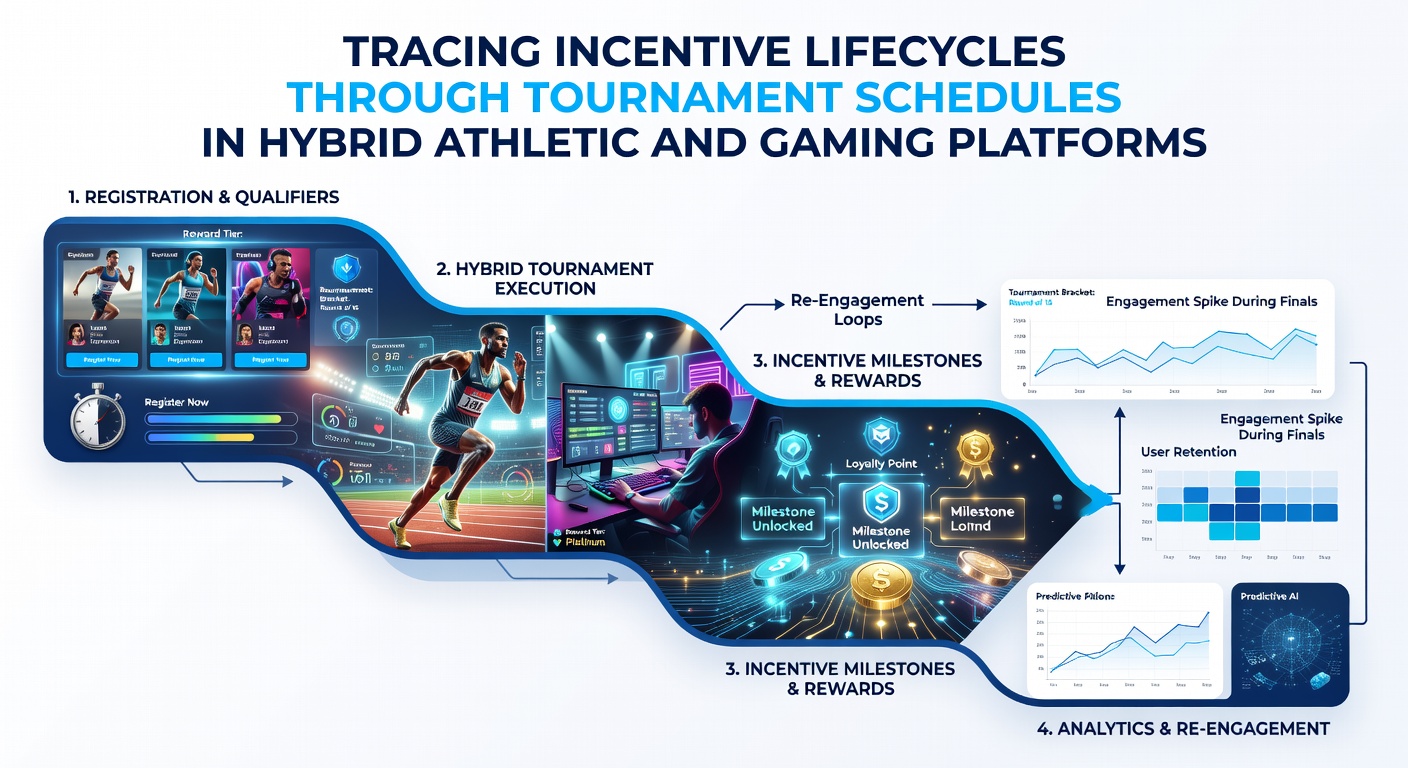
Tracing Incentive Lifecycles Through Tournament Schedules in Hybrid Athletic and Gaming Platforms
Hybrid athletic and gaming platforms integrate sports wagering with casino elements, and incentive structures follow distinct lifecycles that align directly with tournament calendars rather than operating on fixed cycles. Observers note that these platforms adjust bonus durations, eligibility windows, and rollover requirements based on event schedules in football, basketball, tennis, and other disciplines, while casino components such as no-deposit credits or table game multipliers often extend those same windows when athletic events conclude.
Calendar-Driven Incentive Activation Patterns
Data from multiple operators shows that welcome bonuses and free bet offers activate in phases tied to major competitions, with initial deposit matches launching weeks before opening matches and subsequent layers releasing during group stages or knockout rounds. Researchers tracking platform activity across European and North American markets found that football tournament schedules, for instance, trigger extended validity periods for combined athletic and casino rewards, whereas shorter tennis events produce compressed lifecycles that reset more frequently. Those who monitor these systems report that June 2026 marks the start of the FIFA World Cup, an event expected to synchronize large-scale incentive rollouts across hybrid platforms as operators align promotional windows with the June through July schedule.
Extension Mechanisms Through Gaming Layers
Hybrid platforms frequently attach casino-based rewards to athletic promotions, allowing users to carry unused free bets or bonus funds into digital table games once a tournament segment ends. Studies indicate this layering extends overall incentive lifecycles by 30 to 60 days beyond the final athletic match, because casino playthrough requirements continue operating independently of sports calendars. Platforms in regions regulated by bodies such as the Malta Gaming Authority demonstrate this pattern consistently, where basketball season overlaps with ongoing casino offers create continuous activity loops that athletic events alone would not sustain.
Regional Variations in Lifecycle Synchronization
Operators in different jurisdictions apply distinct synchronization rules. Australian platforms regulated under state frameworks tend to front-load incentives ahead of tennis Grand Slams, while Canadian provincial systems often stagger basketball-related bonuses across conference finals and casino promotions. A European Gaming and Betting Association analysis documented how these regional differences produce measurable shifts in user retention when tournament schedules cross multiple time zones and sporting codes. Meanwhile, North American data reveals that platforms blending NFL or NBA calendars with slot or roulette incentives maintain longer active periods during off-seasons by shifting focus to casino elements once athletic events finish.
One documented case involved a platform that extended basketball playoff bonuses into casino no-deposit credits valid through the subsequent tennis season, creating a continuous reward chain without requiring new deposits. Figures from industry tracking services show such chained incentives increase repeat engagement metrics compared with isolated athletic promotions.
Tracking Expiration and Renewal Triggers
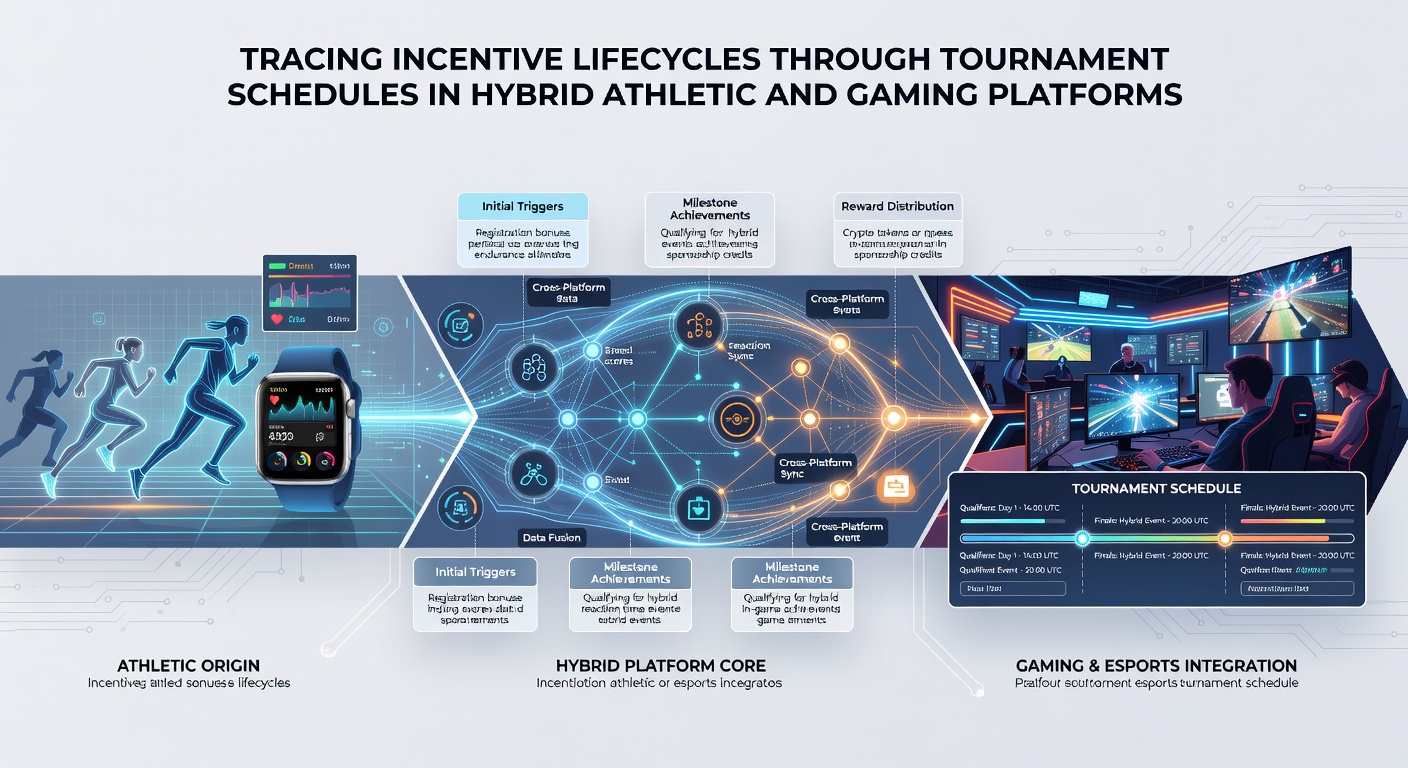
Renewal triggers occur at predictable points within tournament brackets. Preliminary rounds often initiate basic deposit bonuses, while later stages unlock enhanced multipliers or additional casino credits. When events conclude early, platforms automatically transition remaining incentive value into gaming products to prevent abrupt expiration. Academic work from gambling research centers has mapped these transitions, revealing that platforms using automated calendar feeds achieve higher completion rates for rollover conditions than those relying on manual schedule updates.
June 2026 again serves as a useful reference point, because the concurrent timing of World Cup matches with various European club tournaments and North American baseball seasons creates overlapping windows that force platforms to manage multiple incentive streams simultaneously. Operators must therefore sequence casino extensions carefully to avoid regulatory conflicts in jurisdictions that cap aggregate bonus values.
Conclusion
Tracing incentive lifecycles through tournament schedules reveals a system where athletic calendars dictate activation timing, while gaming layers provide continuity between events. Data collected across regulated markets demonstrates that successful platforms treat these elements as interconnected rather than separate verticals, adjusting validity periods and rollover structures in response to real-world competition dates. As the 2026 World Cup approaches, these synchronization practices are expected to scale further, shaping how hybrid platforms distribute and extend rewards across both athletic and casino components.