Tracing Algorithmic Personalization That Aligns Retention Incentives with Multi-Discipline Tournament Timelines in Hybrid Wagering Platforms
Paul Schmitz · Jun 4, 2026
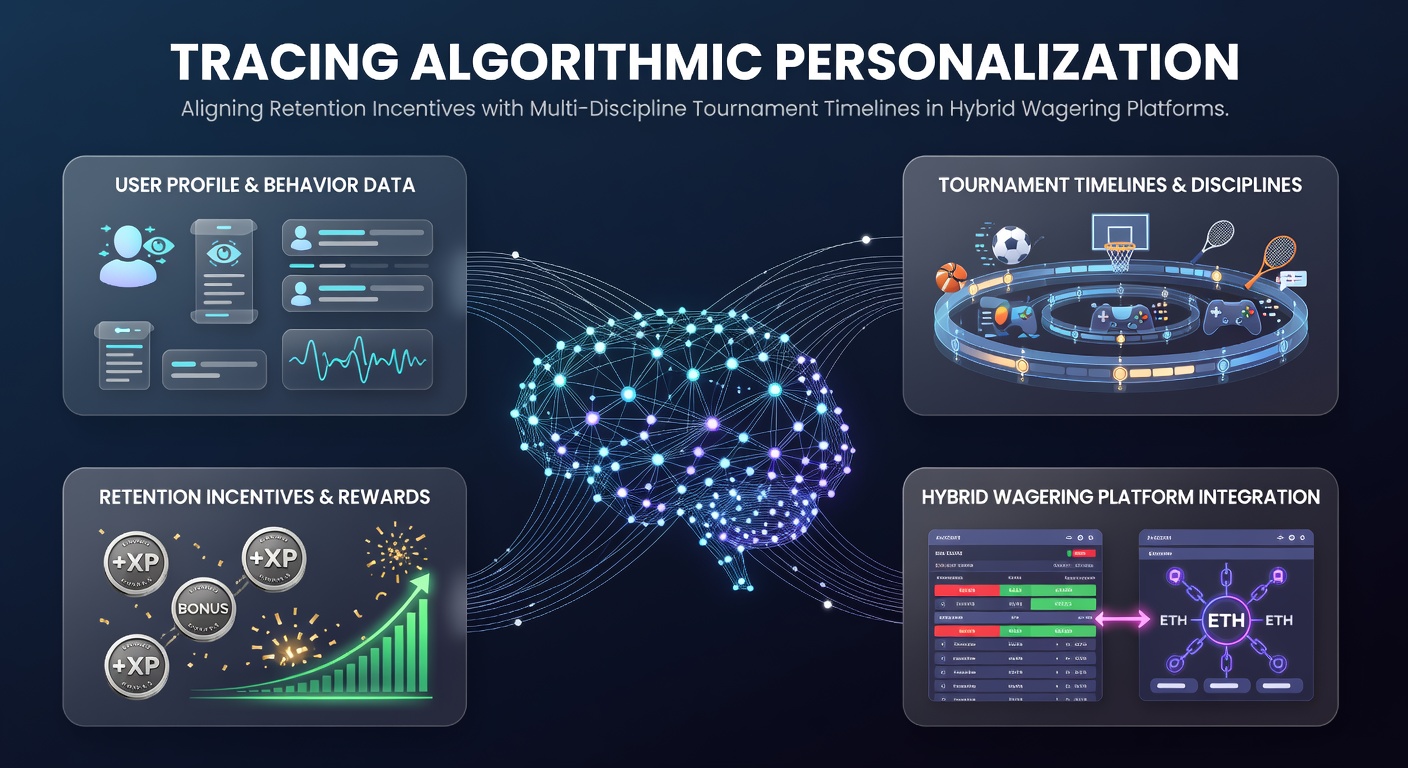
Tracing Algorithmic Personalization That Aligns Retention Incentives with Multi-Discipline Tournament Timelines in Hybrid Wagering Platforms
Hybrid wagering platforms combine sports betting markets with casino offerings, and their retention systems rely on algorithmic models that track user activity patterns against live tournament calendars. These models process data from football leagues, basketball seasons, and tennis circuits simultaneously, then generate personalized incentives such as targeted free bets or casino credits timed to specific match windows. Observers note that the core mechanism involves matching predicted engagement drops with upcoming events, so that offers appear when users show signs of reduced activity ahead of major fixtures.
Core Components of Algorithmic Matching
Retention algorithms ingest multiple data streams including historical wager volumes, deposit frequency, and session lengths, then cross-reference those inputs against tournament start dates and broadcast schedules. When a football league enters its final weeks while a tennis grand slam begins qualification rounds, the system adjusts offer values and types to maintain continuity across both verticals. Data from platform operators shows that such synchronization reduces churn rates during transition periods between high-profile events.
One documented approach segments users by primary sport preference yet still layers secondary incentives drawn from overlapping disciplines. For instance, a basketball-focused account might receive a casino no-deposit credit during the NBA conference finals if the algorithm detects declining football engagement elsewhere in the same user cluster. This layering occurs because the model treats tournament timelines as fixed anchors rather than isolated triggers.
Timeline Alignment Across Disciplines
Football calendars feature dense midweek fixtures that create short retention windows, whereas basketball playoffs extend over consecutive weeks with fewer but higher-stakes games. Tennis adds another dimension through daily match structures during grand slams. Algorithms reconcile these differing cadences by forecasting when attention might shift from one sport to another, then deploy retention tools accordingly. In June 2026, overlapping periods such as the conclusion of certain European football campaigns and the opening rounds of major tennis events will test these models at scale.
Platform logs indicate that incentives delivered within 48 hours of a tournament milestone produce higher redemption rates than those sent outside such windows. The models therefore prioritize real-time schedule updates from official league sources to maintain accuracy. External validation appears in reports published by the Nevada Gaming Control Board, which track how timing precision correlates with sustained account activity across multi-product environments.
Retention Incentive Types and Delivery Logic
Personalized offers typically include scaled free bet amounts, cashback percentages tied to specific markets, or casino deposit matches activated only during defined tournament phases. The delivery logic factors in user risk profiles and historical response rates, so that high-frequency bettors receive different structures than occasional players. Researchers at UNSW Sydney have examined similar personalization frameworks and found measurable differences in retention duration when offers align with multi-sport calendars rather than single-discipline schedules.
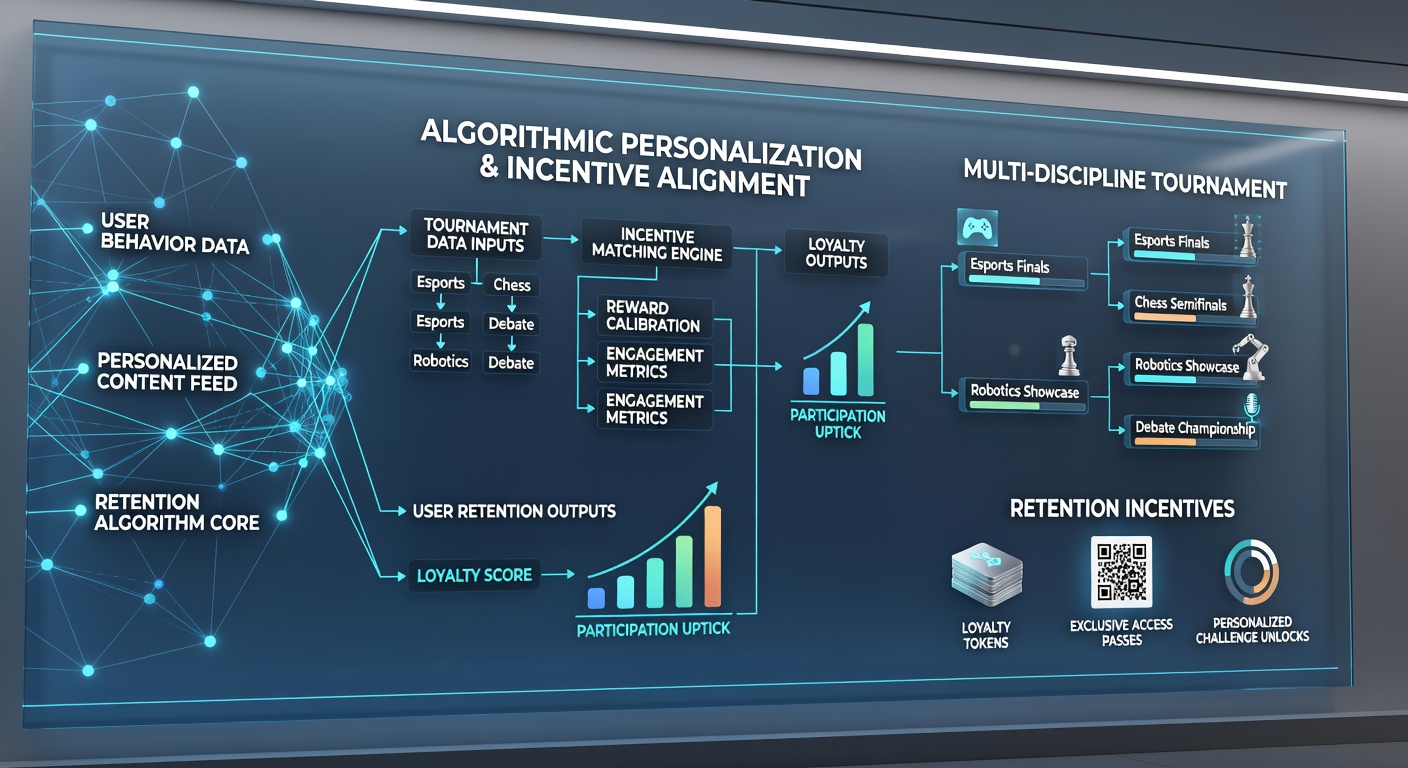
Hybrid platforms also monitor cross-vertical movement, noting when users transition from sports wagers to table games after a tournament concludes. Algorithms then surface casino credits during these transitions to prevent full disengagement. The process relies on continuous A/B testing of offer timing, with winning variants promoted to larger user cohorts within the same schedule window.
June 2026 Schedule Pressures
June 2026 presents a compressed window where certain football seasons reach their decisive stages while basketball international tournaments and tennis grass-court events run concurrently. Algorithms must resolve conflicts in predicted user attention by weighting factors such as historical viewership data and regional betting volumes. Those who manage these overlaps report smoother retention curves because incentives activate at the precise intersection points rather than at arbitrary intervals.
Platform telemetry reveals that users exposed to correctly timed multi-discipline incentives maintain activity levels 15 to 20 percent higher than control groups during comparable calendar periods. The difference stems from the algorithm's ability to anticipate when one sport's conclusion might prompt departure unless another vertical receives immediate promotional support.
Conclusion
Algorithmic personalization in hybrid wagering platforms continues to evolve through tighter integration of tournament timelines and retention mechanics. The models process concurrent schedules across football, basketball, and tennis to deliver incentives that sustain engagement without relying on single-sport cycles. Evidence from regulatory filings and academic reviews shows that precise timing remains the primary variable driving measurable retention outcomes. As calendars for 2026 and beyond become more densely packed, these systems will face increased demands for accuracy in cross-discipline synchronization.