The Interplay Between Worldwide Athletic Schedules and Evolving Reward Systems in Integrated Gaming Platforms
Paul Schmitz · Aug 25, 2026
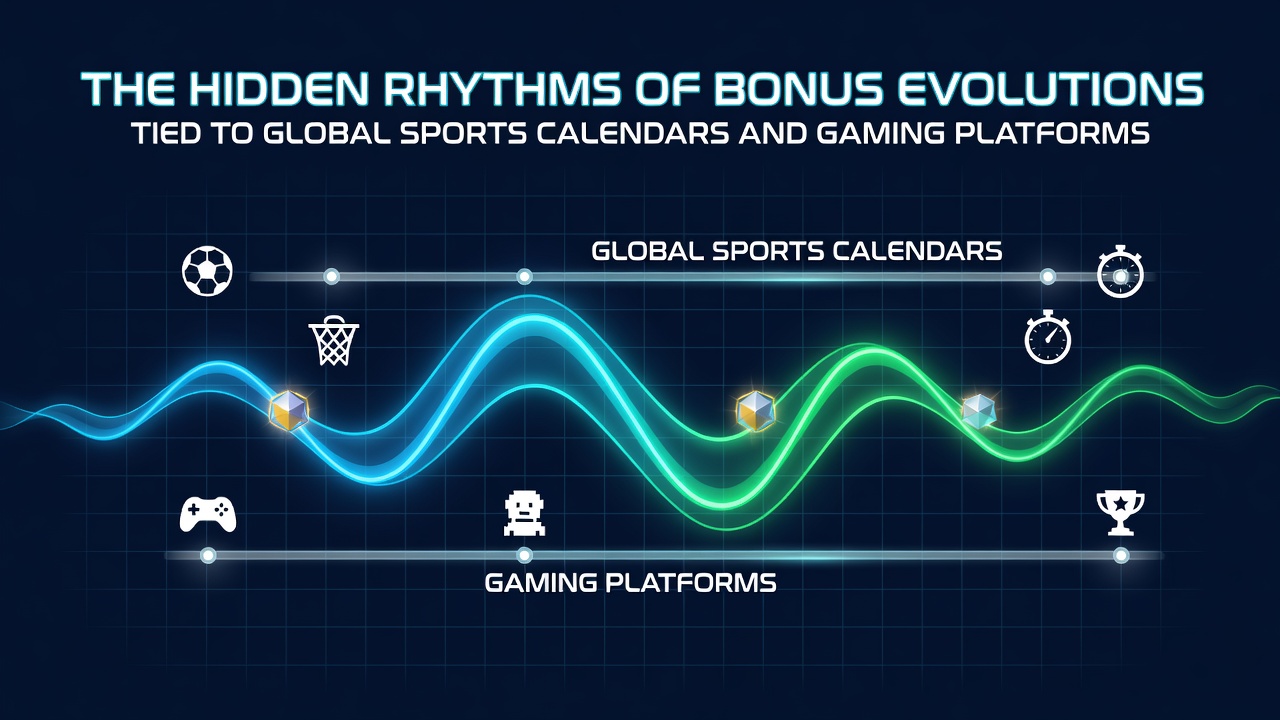
The Interplay Between Worldwide Athletic Schedules and Evolving Reward Systems in Integrated Gaming Platforms
Global sports calendars create measurable patterns that shape how digital platforms adjust their incentive structures throughout the year, and data from multiple regions shows these adjustments often align with major tournament starts and season transitions. Observers note that football leagues in Europe typically resume pre-season activity in July and August, while tennis circuits reach key summer events around the same period, and basketball preparations ramp up ahead of fall schedules. These overlapping timelines prompt platforms to refresh free bet offers, no-deposit casino credits, and accumulator boosts in coordinated waves rather than isolated releases.
Research indicates that European operators frequently synchronize welcome promotions with the opening weeks of domestic leagues, whereas North American platforms adjust prop bet incentives ahead of basketball and gridiron seasons. According to industry reports from the European Gaming and Betting Association, cross-platform data reveals that bonus lifecycles extend when athletic events cluster, allowing layered rewards to remain active longer across football, tennis, and casino sections. Platforms use algorithmic tracking to detect these clusters and deploy personalized refreshes that match user activity in multiple disciplines.
Seasonal Overlaps and Platform Adjustments
August stands out as a period of concentrated activity because several major circuits converge, and platforms respond by extending or modifying existing offers. In August 2026, football pre-season friendlies coincide with the US Open tennis swing and early basketball exhibition games, creating a window where operators in multiple jurisdictions align their distributions. Figures from regulatory filings show increased volumes of code-activated rewards during these months, with no-deposit deals often bridging athletic and table game sections to maintain engagement across hybrid user bases.
Those who analyze platform data observe that tennis tournament schedules drive shorter, high-intensity bonus cycles compared with longer football seasons, and this difference leads to distinct refresh patterns. Casino free-spin promotions frequently extend athletic promo lifespans because operators tie them to ongoing events rather than fixed calendar dates. Studies from Australian academic institutions tracking digital wagering trends found that integrated platforms achieve higher retention when they coordinate these extensions with actual match schedules instead of arbitrary quarterly resets.
Regional Regulatory Influences on Timing
Regulatory frameworks in different regions further modulate how bonuses evolve in response to athletic calendars. Canadian provincial oversight requires clear disclosure of offer durations, which encourages platforms to tie expiration dates directly to season endings rather than generic timeframes. In contrast, certain US state regulators permit more flexible stacking of athletic and casino incentives, resulting in layered reward pathways that link football accumulator boosts with basketball prop wagers and casino rotations. Data from these jurisdictions indicates that such flexibility produces measurable shifts in user retention when events overlap.
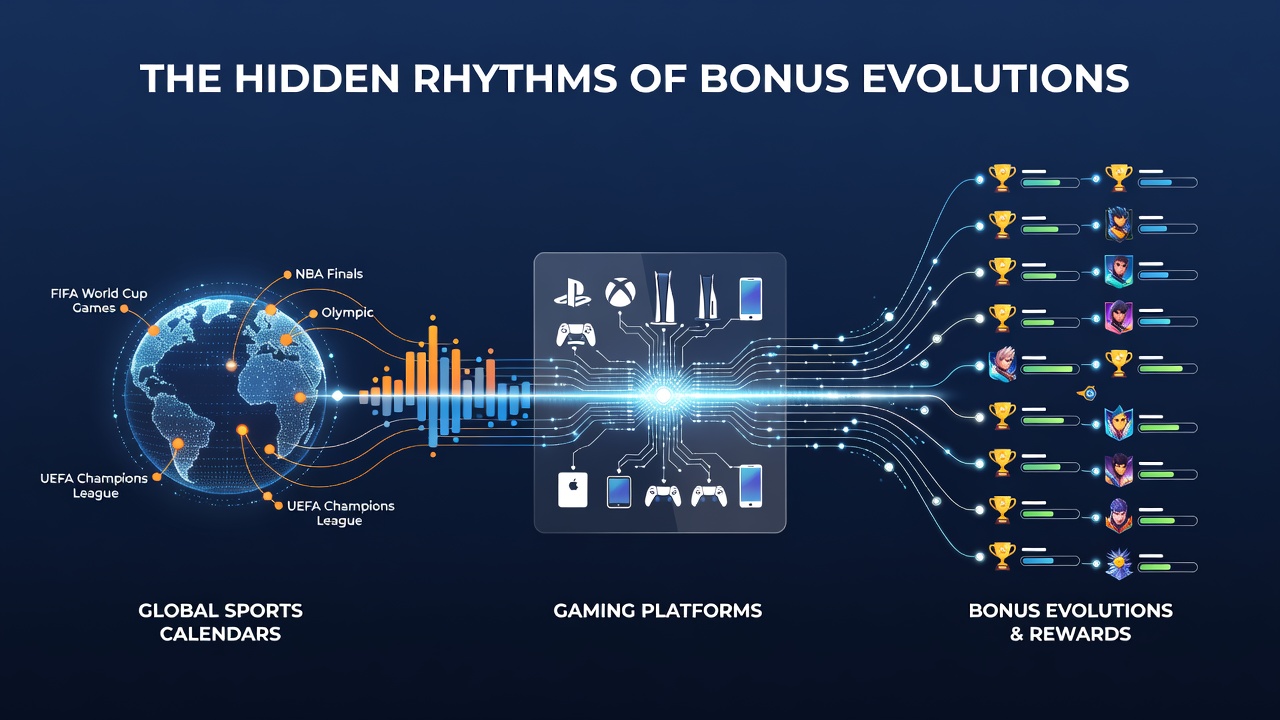
European operators operating under varying national rules often calibrate their releases to avoid conflicts with local advertising restrictions during peak tournament periods. This calibration produces visible rhythm in how free bets and no-deposit credits appear and disappear, and researchers tracking these movements note consistent alignment with major fixtures rather than random timing. The result is a predictable yet evolving system where incentive lifecycles mirror the global sports calendar across football, basketball, tennis, and blended casino offerings.
Algorithmic Personalization and Cross-Game Strategies
Modern platforms employ algorithmic personalization that aligns retention incentives with multi-discipline tournament timelines, and evidence from industry analyses shows these systems detect user patterns across sports and gaming sections. One documented approach involves refreshing casino free-play opportunities immediately after tennis match conclusions while simultaneously extending football welcome bonuses into the next league round. Observers tracking these mechanisms report that such synchronization reduces drop-off between events and maintains platform activity during quieter periods between major tournaments.
Cross-sport reward pathways emerge when operators link tennis schedules to casino rotations and basketball prop deals, creating continuous engagement loops. Figures released by state gaming commissions in the United States reveal that users who engage with multiple disciplines receive more frequent personalized updates than single-sport participants, and these updates typically follow the underlying athletic calendars. The patterns become especially pronounced when football seasons overlap with tennis grand slams or basketball playoffs, prompting platforms to activate stacked offers that span athletic and table game categories.
Conclusion
The hidden rhythms of bonus evolutions remain tied to global sports calendars because platforms rely on predictable event clusters to time their incentive distributions. Data from regulatory bodies and academic studies confirms that operators in Europe, North America, and Australia adjust free bets, no-deposit deals, and layered rewards according to season starts, tournament overlaps, and fixture density. These adjustments produce measurable lifecycle extensions when athletic and casino sections interact, and the resulting structures continue to evolve as calendars shift year to year.