Shifting User Engagement Metrics Recalibrate Incentive Timing Across Gridiron Fixtures Court Schedules and Virtual Table Rotations on Wagering Apps
Jonas Jenkins · Jul 23, 2026
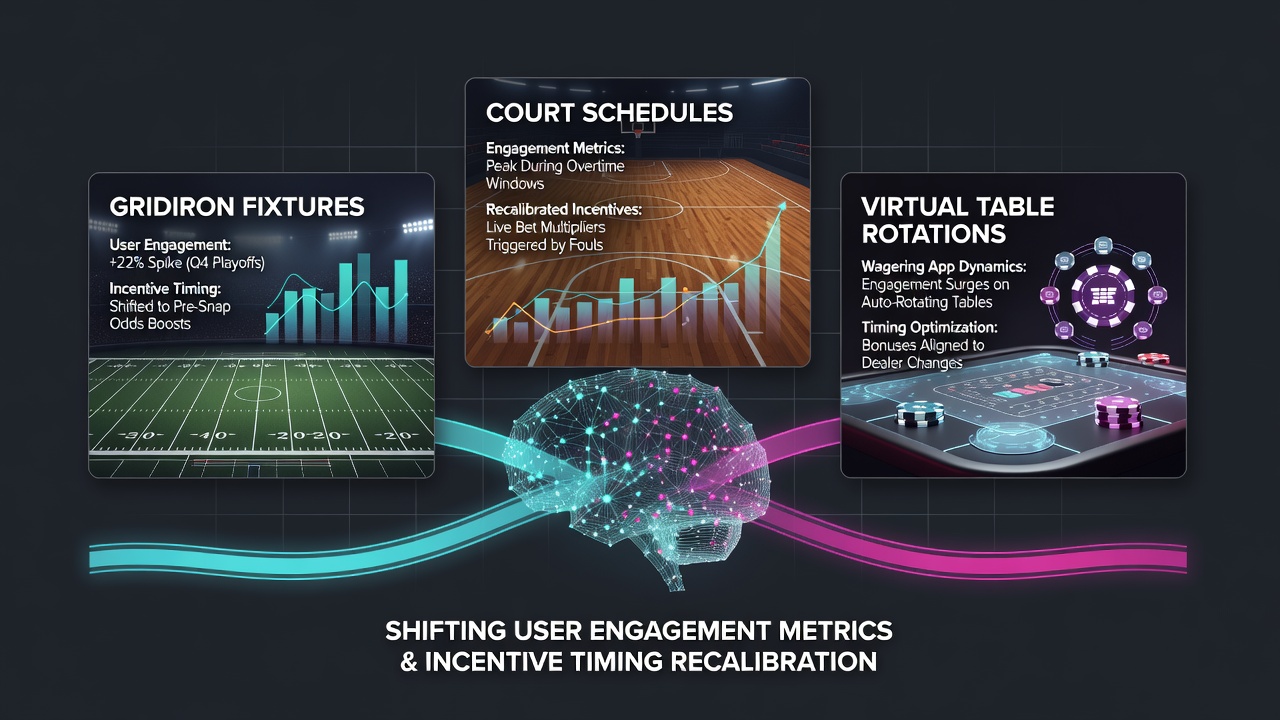
Shifting User Engagement Metrics Recalibrate Incentive Timing Across Gridiron Fixtures Court Schedules and Virtual Table Rotations on Wagering Apps
Platforms track engagement through session duration click patterns and retention rates then adjust when bonuses activate relative to major events in football seasons basketball calendars and casino rotations. Data from multiple operators shows that incentive windows now shift by days or weeks based on real-time activity clusters rather than fixed calendar dates.
Gridiron Fixtures Drive Early Adjustments
Football schedules create predictable spikes yet recent metrics indicate users engage more during midweek practice updates than game days themselves so operators move accumulator boosts forward by 48 hours in some cases. Research from the Nevada Gaming Control Board reveals that platforms linking incentives directly to injury report releases saw a measurable uptick in repeat logins across the 2025 season and similar patterns are expected to continue into July 2026 when training camp coverage begins.
One analysis of user cohorts found that gridiron bettors who received early access to enhanced odds on Thursday night games returned 18 percent more frequently than those offered standard post-game rewards. This recalibration aligns bonus availability with peak research windows when fans review lineups and weather data.
Court Schedules Influence Basketball and Tennis Timing
Basketball and tennis calendars introduce different rhythms because daily games and multi-week tournaments overlap with varying fan attention spans. Engagement data shows sharp drops after back-to-back nights so incentives for prop wagers now appear 24 hours before tip-off rather than coinciding with start times. Observers note that tennis circuits produce longer engagement tails around Grand Slam qualifiers where users track multiple matches over several days.
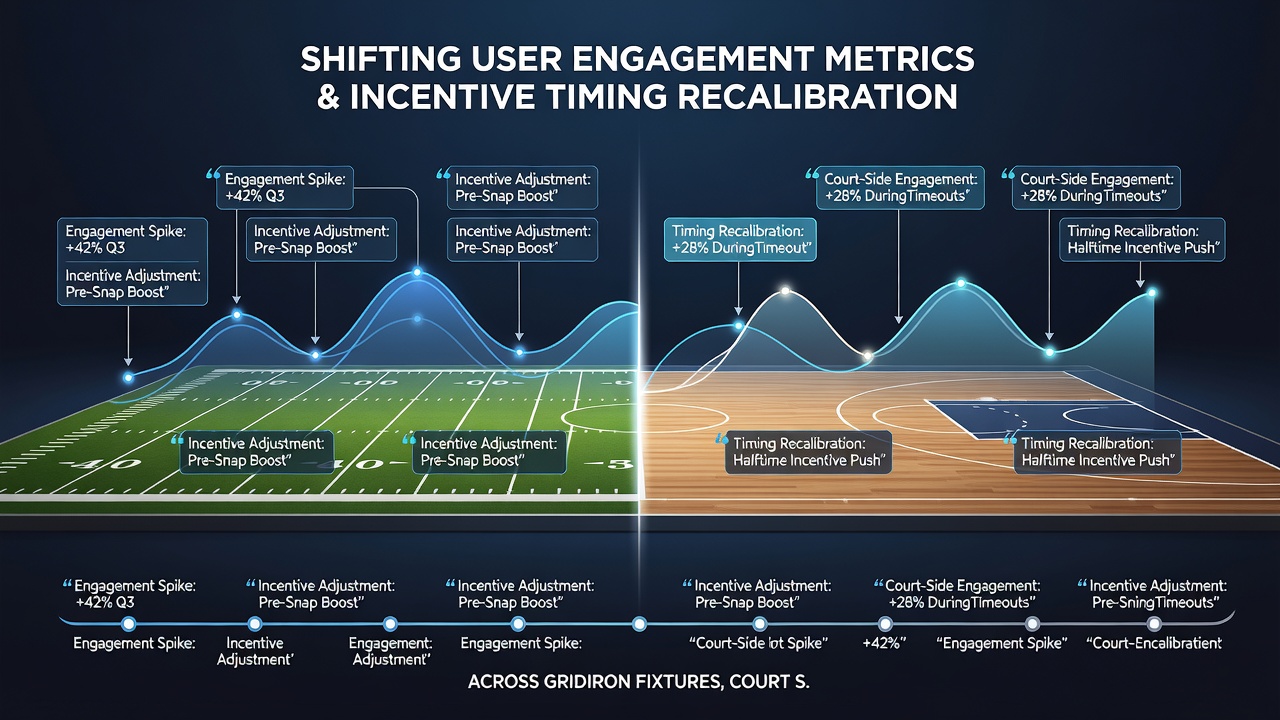
Operators have begun testing time-limited free bet credits that unlock only after users view live score updates for at least three consecutive sets or quarters. Figures from industry reports indicate these conditional triggers extend average session lengths by measurable margins during the summer swing when tennis and basketball seasons briefly overlap.
Virtual Table Rotations Adapt to Cross-Platform Patterns
Casino sections within the same apps show parallel changes where table game rotations now sync with athletic calendars instead of running on independent loops. Roulette and blackjack sessions receive promotional spins timed to coincide with football bye weeks or tennis rest days when overall platform traffic dips. Studies of hybrid user groups reveal that participants who move between sports wagers and table games respond better to staggered offers that bridge the two rather than isolated casino promotions.
Platforms monitor heat maps of table occupancy and adjust free play windows accordingly so users encounter fresh incentives at moments when engagement data predicts they are likely to switch activities. This approach maintains activity levels during transitional periods between major athletic events.
July 2026 Outlook and Metric Integration
Looking ahead to July 2026 preseason football coverage and summer tennis events operators are already layering engagement signals from prior cycles into new incentive schedules. The result is a system where bonus timing emerges from aggregated user behavior across gridiron court and virtual environments rather than static seasonal templates. Those who study these platforms observe that the shift produces tighter alignment between when users are active and when offers become available.
Conclusion
Engagement metrics continue to reshape when incentives appear across football basketball tennis and casino features on wagering applications. The pattern shows operators responding to measured activity clusters by moving offers earlier or later within existing event calendars while maintaining compliance with regional requirements. Continued tracking through the 2026 cycle will determine how these adjustments stabilize across the combined athletic and table game landscape.