Seasonal Timelines Reshaping Layered Incentive Mechanisms Across League Schedules, Circuit Events, and Blended Gaming Modules
Paul Schmitz · Jun 18, 2026
Seasonal Timelines Reshaping Layered Incentive Mechanisms Across League Schedules, Circuit Events, and Blended Gaming Modules
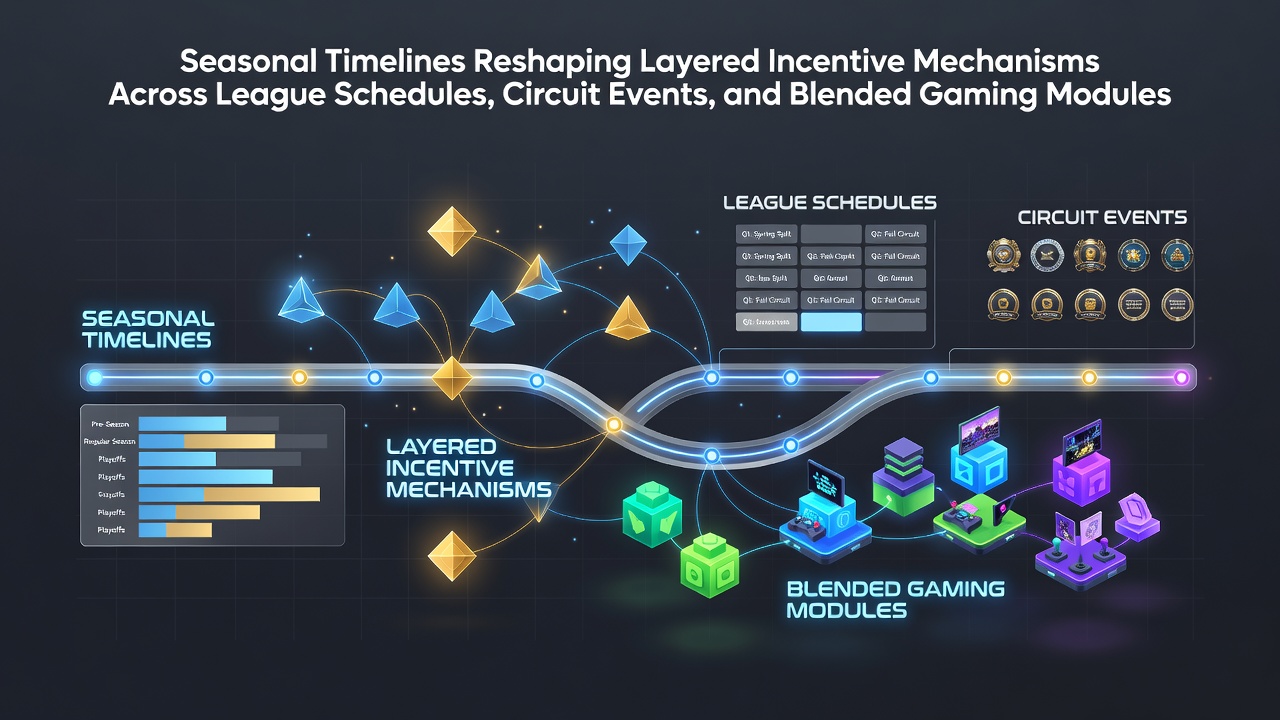
Seasonal timelines exert direct influence over how layered incentive mechanisms operate within digital wagering environments, where league schedules, circuit events, and blended gaming modules intersect to determine the timing and distribution of rewards across multiple platforms. Observers note that major sports calendars create predictable windows during which operators adjust bonus structures to align with peak activity periods, and this alignment extends into integrated casino offerings that run alongside athletic competitions.
League Schedules as Primary Drivers of Incentive Cycles
Professional league calendars establish the foundational rhythm for incentive refreshes, with football seasons running from late summer through early winter in North America while European competitions follow overlapping yet distinct patterns that stretch into spring. Data from industry reports shows these timelines prompt operators to introduce accumulator boosts or streak-based rewards precisely when team matchups intensify, and basketball schedules fill the gap between winter and spring with their own set of mid-season tournaments that trigger additional layered promotions tied to player performance metrics. Those who track these patterns across platforms find that blended gaming modules receive corresponding updates during the same windows, allowing casino-style free spins or deposit matches to activate in coordination with athletic events rather than operating in isolation.
Circuit Events Adding Layers of Complexity
Tennis circuits introduce shorter, high-intensity bursts that cut across traditional league structures, and grand slam tournaments create concentrated periods of activity lasting two weeks each that force rapid recalibration of incentive mechanisms. Observers note that these circuit events often overlap with ongoing league play, which leads operators to stack rewards so that users engaging with both racket sports and team competitions receive unified bonus progressions. Research indicates that such overlaps produce measurable shifts in how no-deposit style casino incentives extend their reach into athletic promo cycles, particularly when a major tennis event coincides with basketball playoffs or football international breaks. In June 2026, for instance, several circuit stops align with the tail end of certain North American league seasons, creating a narrow window where operators synchronize rewards across disciplines to maintain continuous engagement.
Blended Gaming Modules and Cross-Platform Synchronization
Blended gaming modules function as the connective tissue between athletic and casino components, and seasonal timelines dictate when these modules receive refreshed mechanics such as rotating table games or live dealer integrations that mirror the pacing of real-world competitions. Figures from platform analytics reveal that operators time these updates to coincide with major circuit events or league milestones, ensuring that reward layers remain relevant rather than static. Experts have observed that this synchronization prevents incentive fatigue by rotating offerings in line with external calendars, and users who navigate multiple modules often encounter combined progress trackers that carry athletic performance data into casino reward thresholds. The result appears in sustained platform activity that spans entire seasons rather than isolated events.
Regional Regulatory Influences on Timeline Adjustments
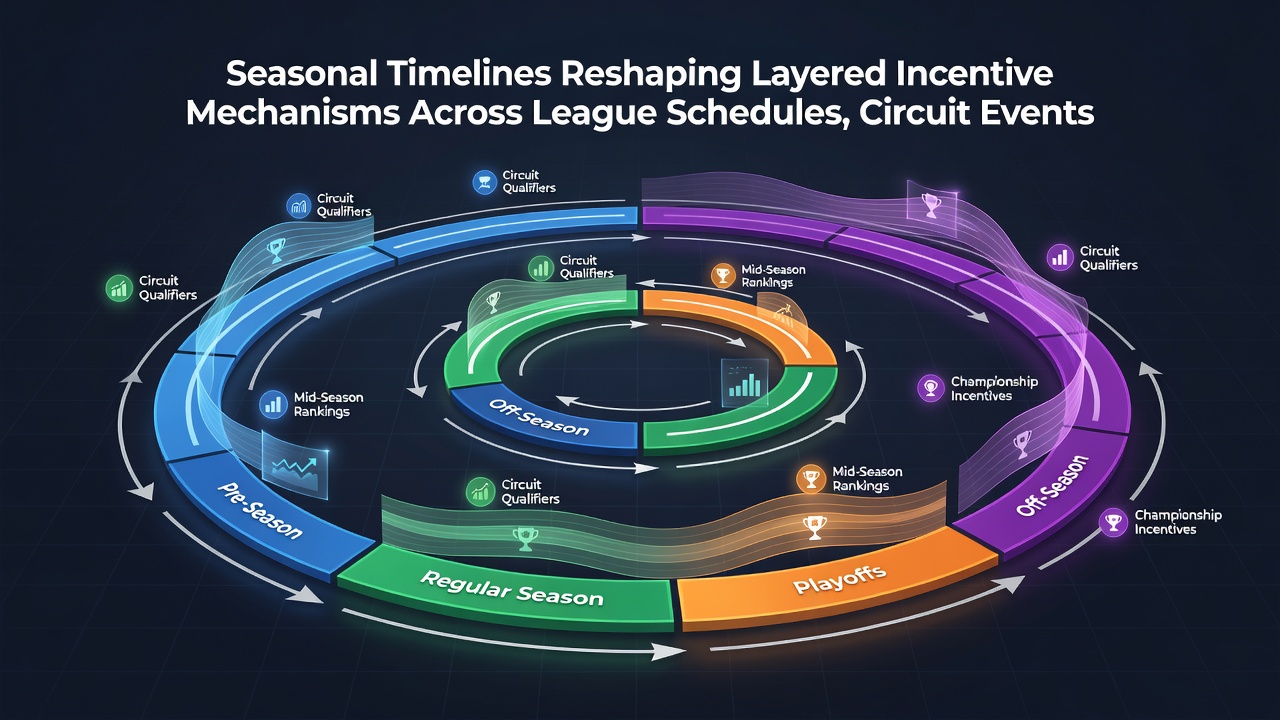
Regulatory frameworks in different jurisdictions further shape how seasonal timelines translate into incentive adjustments, and authorities in North America and Australia have documented varying approaches to timing restrictions on bonus distributions. A report from the American Gaming Association highlights that operators in regulated markets must align layered mechanisms with both athletic calendars and compliance windows, which sometimes delays or accelerates the release of blended rewards. Similar patterns emerge in analyses from the Australian Institute of Family Studies, where researchers track how casino module incentives adapt around major sporting circuits without violating local timing rules. These external constraints create additional layers of planning that operators incorporate into their seasonal strategies.
Practical Examples Across 2026 Calendars
During the June 2026 period, multiple league schedules wind down while tennis circuits reach mid-season peaks, and operators respond by refreshing incentive layers that connect remaining football fixtures with ongoing racket sport events through shared module progressions. Platform data indicates that blended gaming elements receive targeted updates at these junctures, allowing users to carry forward athletic streaks into casino-style rewards that activate on a synchronized schedule. Those monitoring these shifts note that such coordination reduces the fragmentation that occurs when incentives operate on independent timelines, and it produces measurable continuity in user engagement metrics across the full calendar year.
Conclusion
Seasonal timelines continue to serve as the central organizing force behind layered incentive mechanisms, and their interaction with league schedules, circuit events, and blended gaming modules produces coordinated reward ecosystems rather than isolated offerings. As calendars evolve through 2026 and beyond, operators maintain alignment by adjusting mechanisms in response to overlapping athletic periods, while regulatory considerations from multiple regions add further structure to these adjustments. The outcome remains a system where timing itself becomes an active component of how rewards distribute across platforms.