Regional Policy Shifts Reshaping Accumulator Perks and Casino Rotation Cycles in Multi-Sport Platforms
Paul Schmitz · Jul 19, 2026
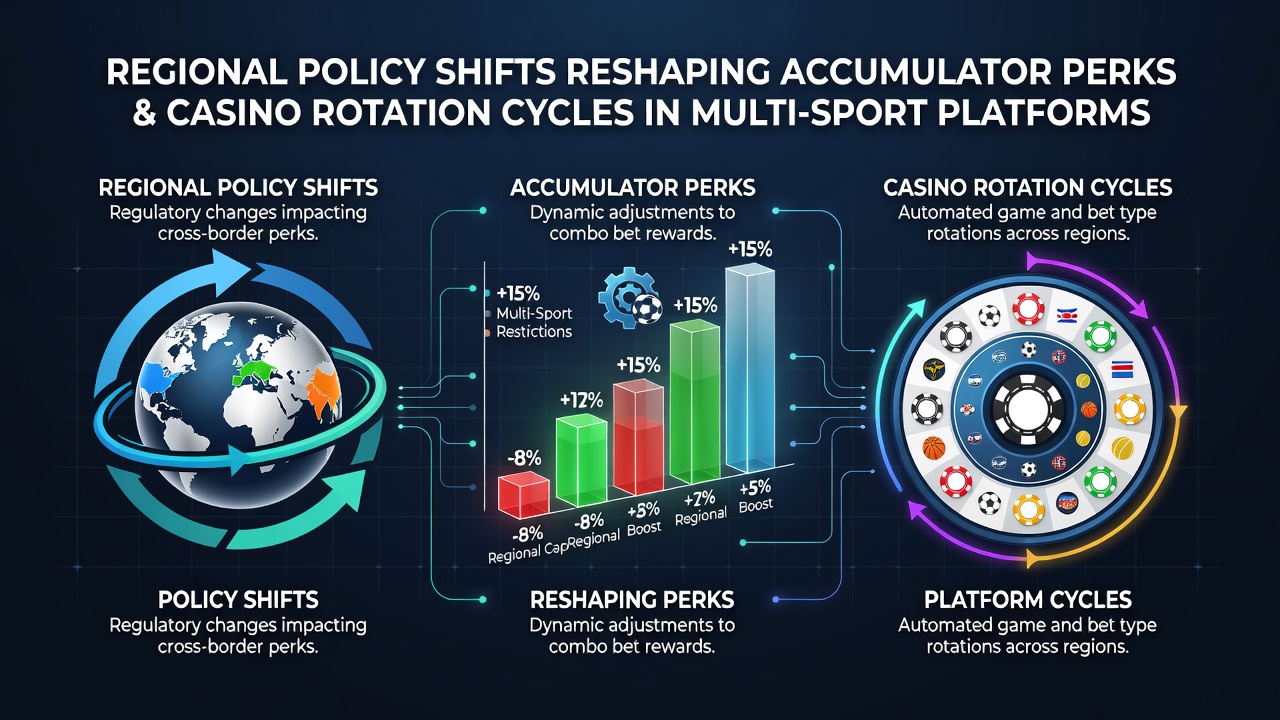
Regional Policy Shifts Reshaping Accumulator Perks and Casino Rotation Cycles in Multi-Sport Platforms
Regional policy shifts have begun altering how accumulator perks operate alongside casino rotation cycles on platforms that combine multiple sports with integrated gaming options, and these developments gained momentum through mid-2026 as jurisdictions updated compliance frameworks.
Accumulator Perks in Multi-Sport Settings
Accumulator perks typically reward users who combine selections across events in football, basketball, tennis and other disciplines into single bets with enhanced returns when all legs succeed, yet policy adjustments in various regions now require platforms to recalibrate these offers to meet new transparency and responsible gaming standards. Observers note that such changes often involve caps on maximum boosts or mandatory risk disclosures that appear before bet placement, and these requirements have forced operators to redesign promotion structures rather than simply extending existing accumulator deals.
Casino Rotation Cycles on Hybrid Platforms
Casino rotation cycles refer to the scheduled refresh of free spins, deposit matches and table game incentives that rotate on fixed timetables to maintain engagement, and regional rules have started dictating how frequently these incentives can appear or how they must link to athletic betting activity. Data from multiple markets shows that platforms must now separate casino rotations from sports accumulator eligibility in certain jurisdictions, which has lengthened some cycle durations while shortening others to avoid regulatory overlap with athletic calendars.
Policy Developments Across Jurisdictions
In July 2026 several Canadian provinces implemented updated digital wagering guidelines that directly addressed accumulator promotions tied to multi-sport platforms, requiring operators to verify user location before applying any boosted returns. Similar adjustments appeared in Australian state frameworks where casino rotation cycles faced new audit trails that track how incentives connect to sports wagers, creating a more segmented reward environment. European regulators in select member states also introduced reporting thresholds for promotions that blend athletic accumulators with casino elements, prompting platforms to maintain separate tracking systems for each category.
Effects on Accumulator Structures
Accumulator perks have seen modifications such as reduced maximum stake multipliers and mandatory cooling periods between eligible bets, according to figures released by the Alcohol and Gaming Commission of Ontario. Platforms responded by introducing tiered accumulator offers that scale with verified activity levels rather than blanket boosts, and this approach satisfies regional demands for measured incentive distribution while preserving user participation across football, basketball and tennis events. Those monitoring the sector have recorded a shift toward event-specific accumulators that align with tournament schedules instead of open-ended promotions.

Adjustments to Casino Rotation Patterns
Casino rotation cycles have lengthened in some regions because new rules require extended review periods before fresh incentives launch, particularly when they follow periods of high accumulator activity. Operators now schedule rotations to avoid coinciding with major athletic windows, which has produced staggered release patterns that keep casino elements distinct from sports promotions. Research from the European Gaming and Betting Association indicates that platforms using algorithmic timing tools have adapted more quickly, maintaining steady engagement without triggering compliance flags.
Cross-Platform Integration Challenges
Multi-sport platforms face integration hurdles when regional policies demand clear separation between accumulator tracking and casino reward ledgers, yet many have deployed unified user dashboards that display both categories without merging their eligibility criteria. This separation helps satisfy auditors while allowing users to navigate offers across disciplines, and examples from operators active in multiple markets show reduced dispute rates after these changes took effect. Patterns emerging in 2026 suggest continued refinement as additional jurisdictions finalize their frameworks.
Future Outlook for Platform Operations
Operators continue to monitor regulatory signals from additional regions expected to release guidance later in 2026, with particular attention to how accumulator caps and rotation frequency limits will interact. Those responsible for compliance have begun testing modular promotion engines that can toggle features based on user location, reducing the need for full system overhauls each time a new policy appears. The result has been more flexible platform architectures that accommodate regional differences without disrupting core functionality.
Conclusion
Regional policy shifts have produced measurable changes in how accumulator perks and casino rotation cycles function on multi-sport platforms, and the adaptations observed through July 2026 demonstrate ongoing alignment between regulatory requirements and operational practices. Continued monitoring across jurisdictions will determine whether these patterns stabilize or require further structural adjustments in the years ahead.