Machine Learning Dynamics in Personalizing Free Bet Distributions for Diverse Sports and Gaming Histories
Paul Weber · Jun 30, 2026
Machine Learning Dynamics in Personalizing Free Bet Distributions for Diverse Sports and Gaming Histories
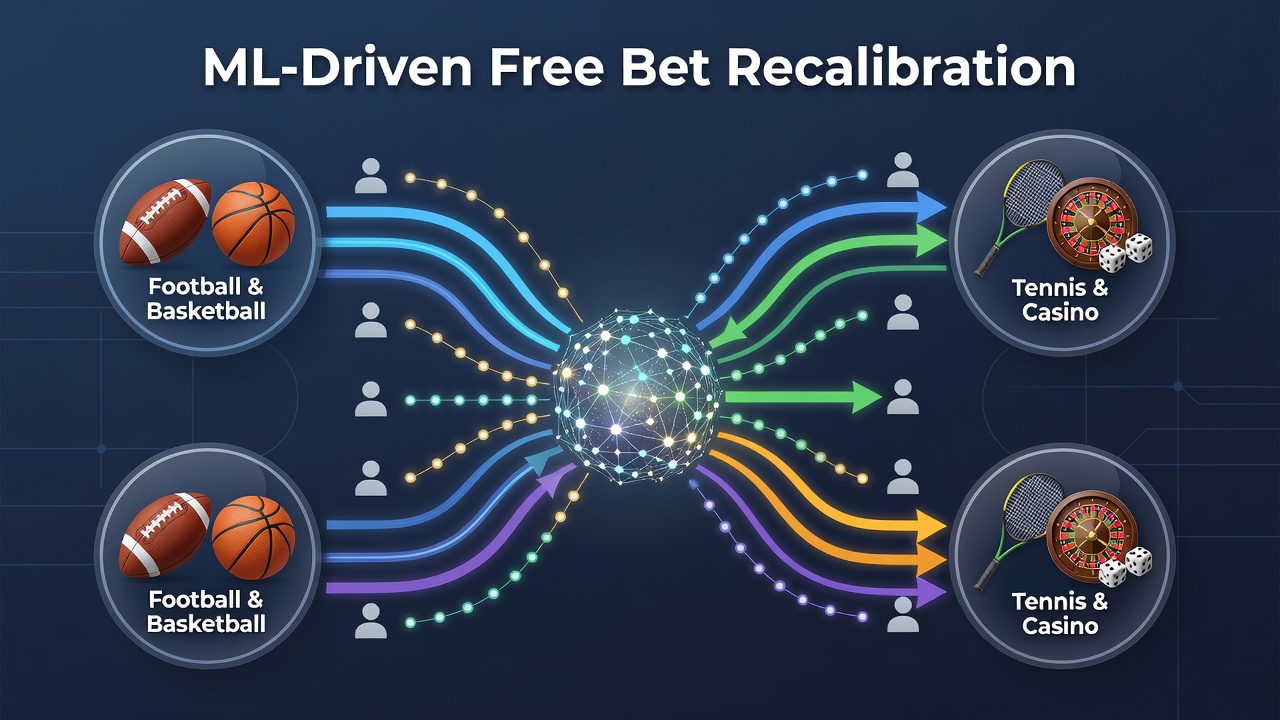
Platforms now rely on machine learning systems that process extensive player histories across football, basketball, tennis, and casino activities to adjust free bet allocations in real time. These systems examine betting frequency, stake sizes, sport preferences, and session durations before generating updated offers that align with observed patterns. Data flows from multiple verticals into unified models that identify retention signals and risk indicators simultaneously.
Data Inputs Across Athletic and Casino Verticals
Football histories contribute metrics such as accumulator participation rates and live-betting volumes, while basketball records highlight prop bet selections and in-play adjustments. Tennis data often includes set-by-set wagering and tournament-specific timing, whereas casino logs track game type rotations, spin counts, and table minimum exposures. Models combine these streams into feature vectors that feed supervised learning pipelines, allowing platforms to segment users by multi-discipline engagement levels rather than isolated activity.
By June 2026, several operators had expanded their training datasets to cover at least 36 months of cross-vertical behavior, producing more stable predictions during off-peak athletic calendars. The resulting allocations favor users whose histories show consistent movement between sports and casino sections, creating offers that bridge seasonal gaps.
Algorithmic Recalibration Mechanisms
Gradient boosting frameworks and neural network ensembles evaluate thousands of variables each day, recalibrating free bet values and eligibility windows based on recent shifts in user behavior. When a player increases basketball prop frequency while reducing football stakes, the system may redirect part of the allocation toward basketball-related promotions while maintaining a smaller casino component. Reinforcement learning loops further refine these decisions by measuring how previous offers influenced subsequent deposit and wagering volumes across the same account.
Cluster analysis groups accounts into cohorts that share similar multi-sport trajectories, enabling batch updates that still respect individual variance. Platforms apply these clusters to set dynamic thresholds, so a user moving from recreational tennis betting into higher-volume casino play receives adjusted parameters within hours rather than days.
Integration of Tournament and Seasonal Timelines
Models incorporate external calendars for major football leagues, basketball seasons, tennis Grand Slams, and casino event rotations to anticipate demand spikes. When Wimbledon approaches, historical tennis bettors with concurrent casino activity receive allocations timed to match qualifying rounds and early main-draw matches. Similar logic applies to March Madness brackets and summer football transfer windows, where the system pre-loads offers that encourage continued platform engagement outside peak betting windows.
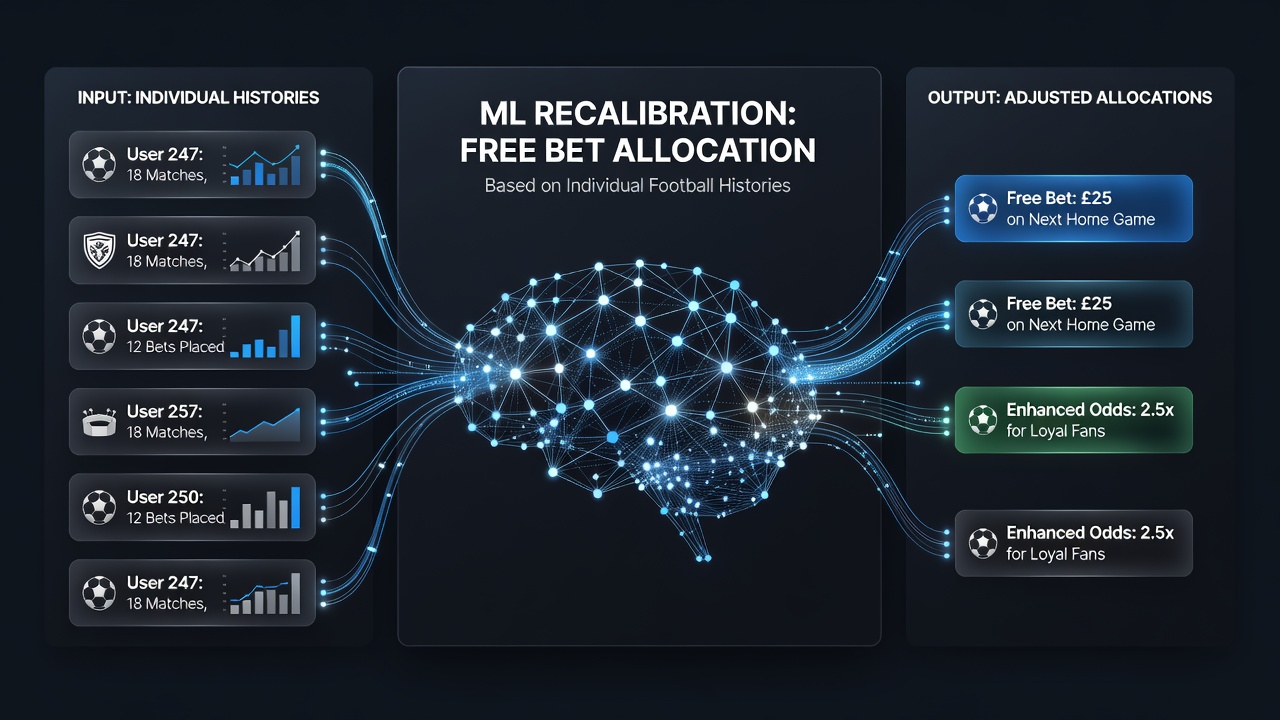
According to industry reports from the European Gaming and Betting Association, these calendar-aware adjustments have contributed to measurable increases in cross-vertical session lengths during transitional periods between major athletic events. The same reports note that casino free-play components often serve as bridging mechanisms, sustaining activity when football or basketball fixtures are sparse.
Regulatory Context and Compliance Layers
Operators embed jurisdiction-specific rules into the machine learning pipelines so that allocation limits and eligibility criteria remain compliant with local requirements. Australian state regulators, for instance, require clear disclosure of bonus terms within the personalization engine itself, while certain U.S. tribal gaming commissions mandate separate audit trails for any model that influences promotional value. These constraints appear as hard constraints or penalty terms during model training, preventing outputs that would violate spending caps or marketing restrictions.
Research published in the Journal of Gambling Studies indicates that transparent documentation of algorithmic decision factors helps regulators verify that personalization does not inadvertently target vulnerable cohorts. Platforms therefore log feature importance scores alongside each allocation decision, creating traceable records that align with evolving oversight frameworks across multiple regions.
Performance Monitoring and Feedback Loops
Continuous evaluation compares projected retention metrics against actual outcomes measured seven, fourteen, and thirty days after offer delivery. When discrepancies exceed preset tolerances, automated retraining cycles adjust weights assigned to football versus tennis features or shift emphasis between sports and casino variables. A/B testing frameworks run in parallel, pitting older model versions against updated ones to quantify incremental gains in cross-discipline engagement.
Operators track not only deposit conversion but also the distribution of subsequent bets across the four verticals, ensuring that recalibrated free bets do not simply concentrate activity in a single category. This multi-objective optimization keeps allocations balanced even as individual histories evolve.
Conclusion
Machine learning systems now form the operational backbone for free bet personalization that spans football, basketball, tennis, and casino activities. By ingesting longitudinal user data and external calendars while respecting regulatory boundaries, these models deliver allocations that respond to observed behavior rather than static rules. Continued refinement through feedback loops and cross-regional compliance integration sustains the alignment between platform incentives and diverse player histories.