How Referral Chains Connect Major Tournament Entries to Multi-Game Loyalty Pools on Betting Apps
Xander Jenkins · Jul 16, 2026
How Referral Chains Connect Major Tournament Entries to Multi-Game Loyalty Pools on Betting Apps
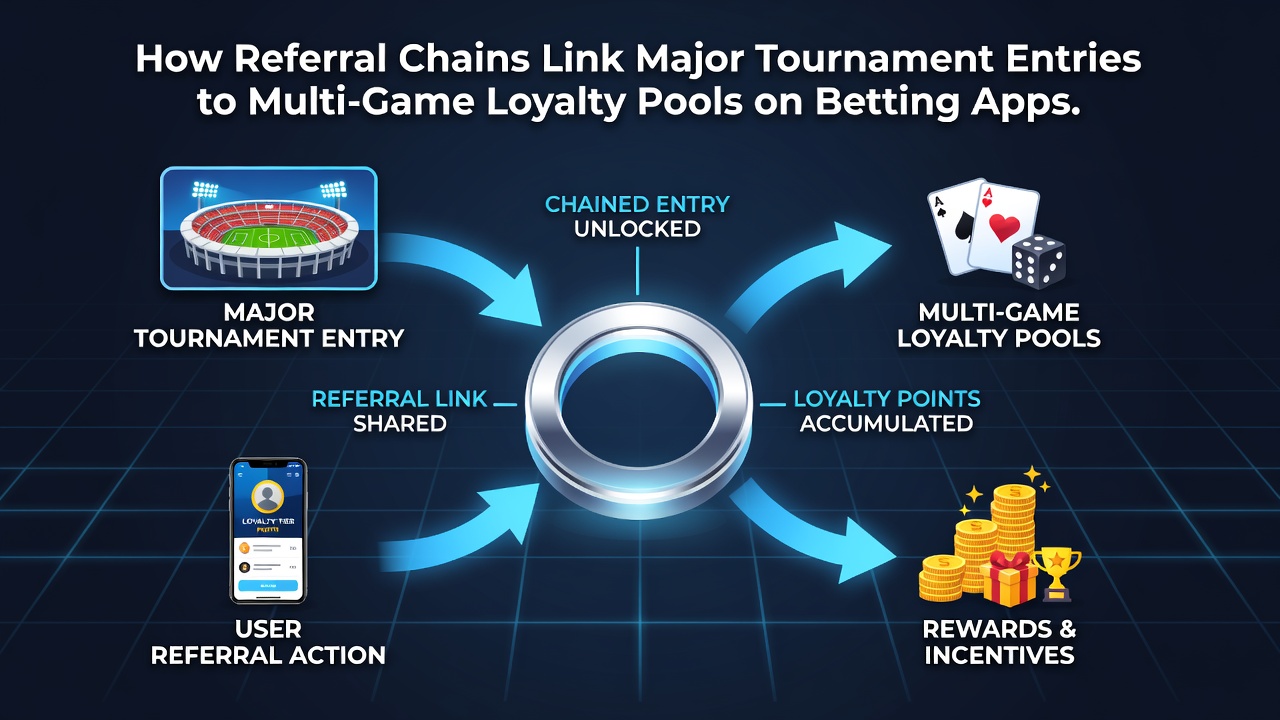
Referral systems on betting applications operate through structured networks where existing users invite new participants, and those invitations tie directly into tournament entry processes that feed into shared loyalty pools spanning multiple game types. These chains function by assigning unique codes or links that track participation from initial sign-up through to event registrations, allowing operators to allocate rewards across sports and casino offerings within the same ecosystem.
Mechanics of Referral Chains in Tournament Contexts
Users who enter major tournaments such as football leagues, basketball playoffs, or tennis circuits often receive referral prompts during registration, and successful invites generate points that accumulate in centralized loyalty accounts. Data from platform analytics shows that these chains expand during peak tournament periods because entry requirements frequently include minimum activity thresholds that referrals help satisfy. Operators design the system so each verified referral advances both the referrer and the new user toward higher tiers in multi-game pools, where points convert into credits usable on football accumulators, basketball props, or casino table games.
Platform records indicate that referral chains activate automatically once a tournament entry processes, creating a direct pipeline from single-event participation to broader loyalty accumulation. This linkage relies on algorithmic matching that identifies eligible users based on their entry history and applies the same metrics across different verticals, ensuring consistency whether the activity occurs in athletic competitions or digital casino rotations.
Integration with Multi-Game Loyalty Structures
Loyalty pools on these applications aggregate contributions from varied sources, and referral chains serve as one primary input channel that synchronizes tournament schedules with ongoing reward cycles. When a user completes a tournament entry via a referral, the system logs the action and distributes proportional shares into the pool, which then supports redemptions across football seasons, tennis circuits, and casino free-play segments. Observers note that this integration maintains activity levels by linking one-time entries to recurring benefits that persist beyond individual events.
In July 2026, during overlapping international football tournaments and tennis majors, several platforms adjusted their referral parameters to align chain activations with simultaneous loyalty refreshes, allowing users to carry points from athletic entries into casino rotations without separate qualification steps. Figures from industry tracking reveal that such adjustments increased cross-vertical redemptions by measurable margins because the chains reduced friction between game categories.
Cross-Platform Linkages and User Progression
Referral chains extend beyond single applications through partnerships that permit shared tracking identifiers, and these connections feed into loyalty pools that span multiple operators or game libraries. A user who enters a basketball tournament through one app can generate referrals that contribute to pools on affiliated platforms featuring tennis or casino content, with the system converting activity data into unified point values. Researchers at gaming institutions have documented how these linkages rely on standardized APIs that preserve chain integrity while enabling transfers between sports and non-sports offerings.
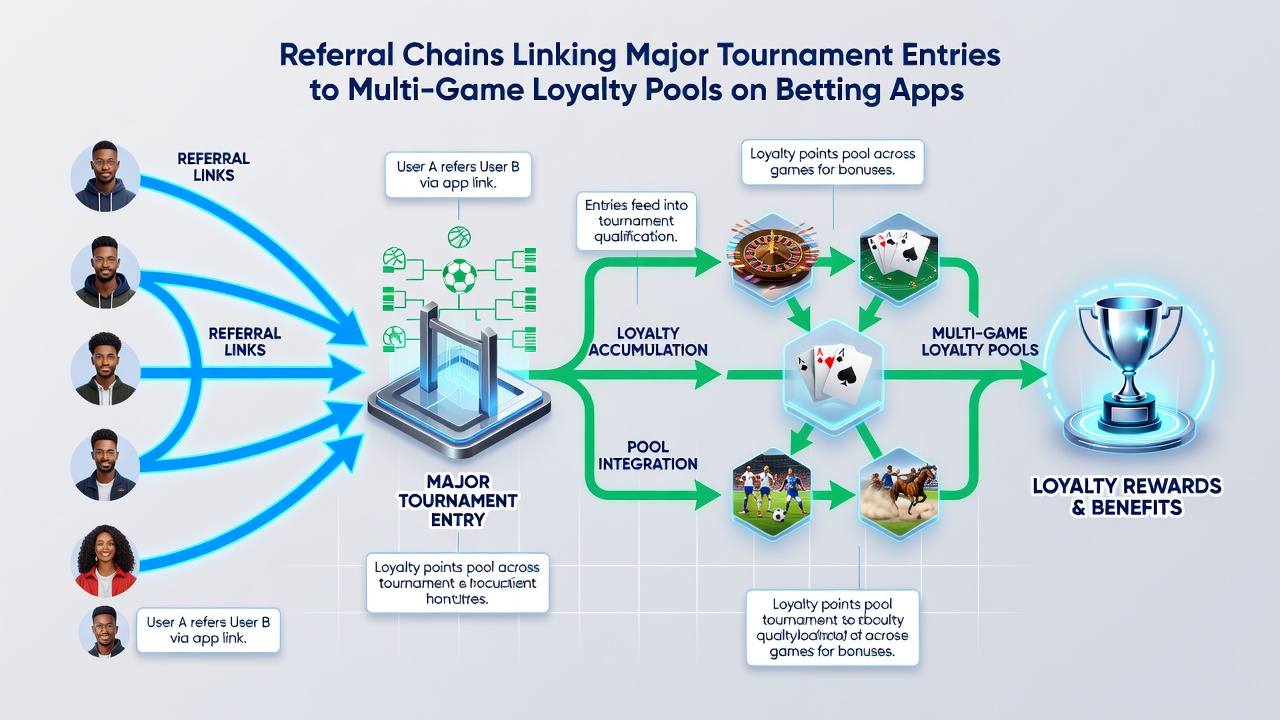
Progression through the pools occurs in stages tied to referral volume and tournament completion rates, where each verified link advances the chain participants toward exclusive tiers. Those tiers unlock enhanced entry options for future events alongside bonus allocations that apply uniformly across football, basketball, tennis, and casino segments. The structure ensures that loyalty benefits scale with chain length rather than isolated actions, creating sustained engagement patterns that operators monitor through retention metrics.
Regulatory and Operational Considerations
Jurisdictions regulate these referral mechanisms under broader gaming statutes, and authorities in regions such as Australia and parts of North America require transparent disclosure of how chains influence loyalty distributions. Reports from the American Gaming Association outline compliance frameworks that mandate clear separation between tournament entry data and pool allocations to prevent unauthorized cross-promotions. Similar guidance appears in documentation from the International Association of Gaming Regulators, which tracks how multi-game systems handle referral contributions without violating activity caps.
Operators implement technical safeguards that segment referral tracking from direct financial transactions, yet still permit the points to flow into unified loyalty environments. This separation maintains regulatory adherence while preserving the functional link between tournament participation and multi-category rewards. Platform updates in 2026 incorporated additional audit logs specifically for chain activities during high-volume tournament windows, reflecting ongoing alignment with evolving oversight standards.
Conclusion
Referral chains establish measurable pathways that convert tournament entries into contributions for multi-game loyalty pools by embedding tracking mechanisms at the registration stage and extending those records across sports and casino verticals. The resulting structures support consistent point accumulation and redemption options that respond to event calendars while satisfying operational and regulatory requirements in multiple jurisdictions. Data patterns confirm that these linkages sustain user activity across diverse game types through automated integration rather than separate incentive streams.