How Competition Timetables Direct Tailored Multi-Sport and Gaming Reward Sequences in Betting Apps
Jonas Jenkins · Aug 4, 2026
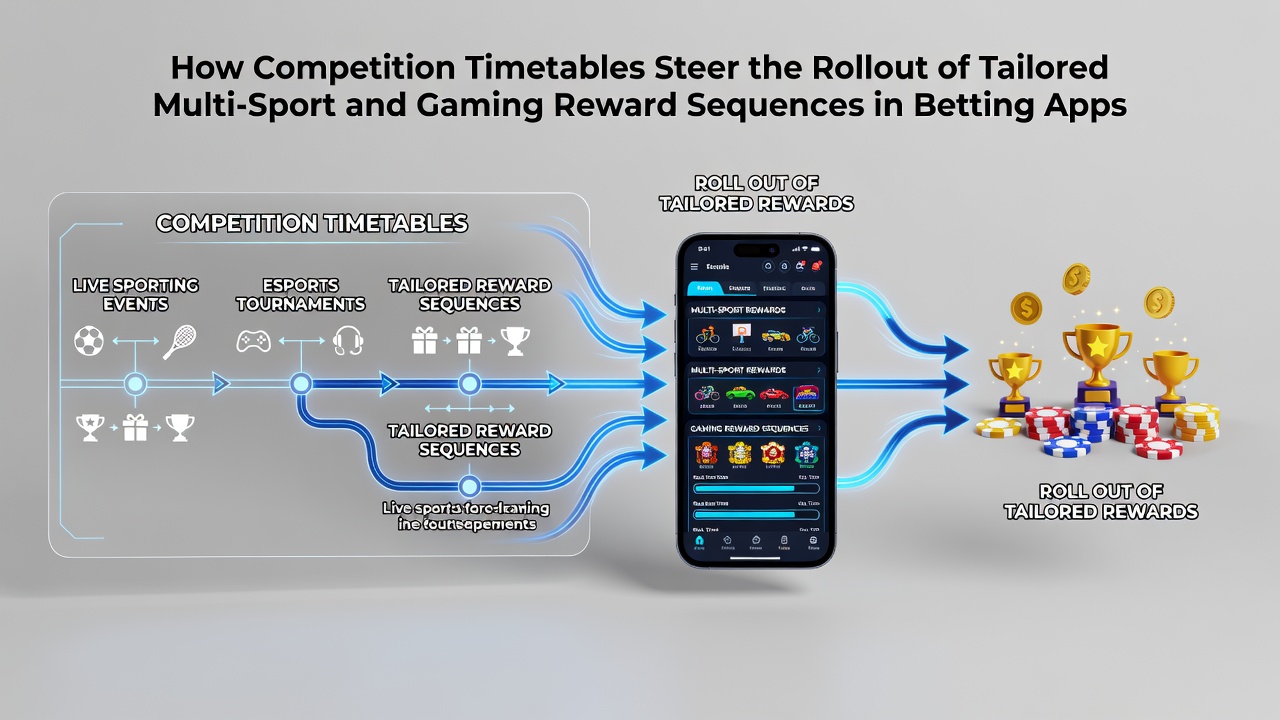
How Competition Timetables Direct Tailored Multi-Sport and Gaming Reward Sequences in Betting Apps
Competition timetables in major sports create predictable windows that shape when betting apps release customized reward sequences combining athletic wagers and casino gaming features, and these patterns emerge because operators align promotions with peak user engagement periods around tournaments and leagues.
Calendar-Driven Rollout Patterns
Football seasons, tennis circuits, and basketball schedules dictate the timing of multi-layered offers because data from platform analytics shows spikes in activity during high-profile events, while casino components such as free spins or table game credits often refresh in tandem to maintain cross-category participation. Observers note that Grand Slam tennis events trigger specific reward sequences focused on match-based accumulators paired with gaming bonuses, whereas basketball playoff stretches see prop wager incentives layered with no-deposit style casino entries that activate at set intervals.
These alignments occur because operators track historical participation metrics across disciplines, and August 2026 illustrates the approach when US Open tennis overlaps with early European football campaigns and late-summer basketball exhibitions, prompting apps to sequence rewards that start with tennis-focused free bet credits then transition into casino rotations timed to evening sessions.
Integration of Multi-Sport and Gaming Elements
Operators build sequences that link athletic competition phases with gaming incentives by monitoring event density, and this results in reward structures where a football accumulator boost activates alongside basketball prop wager credits during overlapping weeks, while casino free play opportunities extend the lifecycle of those athletic promos through automated triggers. Research from industry bodies indicates that such layering sustains user sessions because the timetable synchronization prevents reward fatigue by spacing out offers according to fixture congestion rather than arbitrary dates.
One study from the University of Nevada Gaming Research Center revealed that platforms using calendar inputs for personalization achieve higher retention rates during dense periods like the tennis hard-court swing, and these systems adjust sequences dynamically when events shift due to weather or rescheduling.
Personalization Through Event Timing
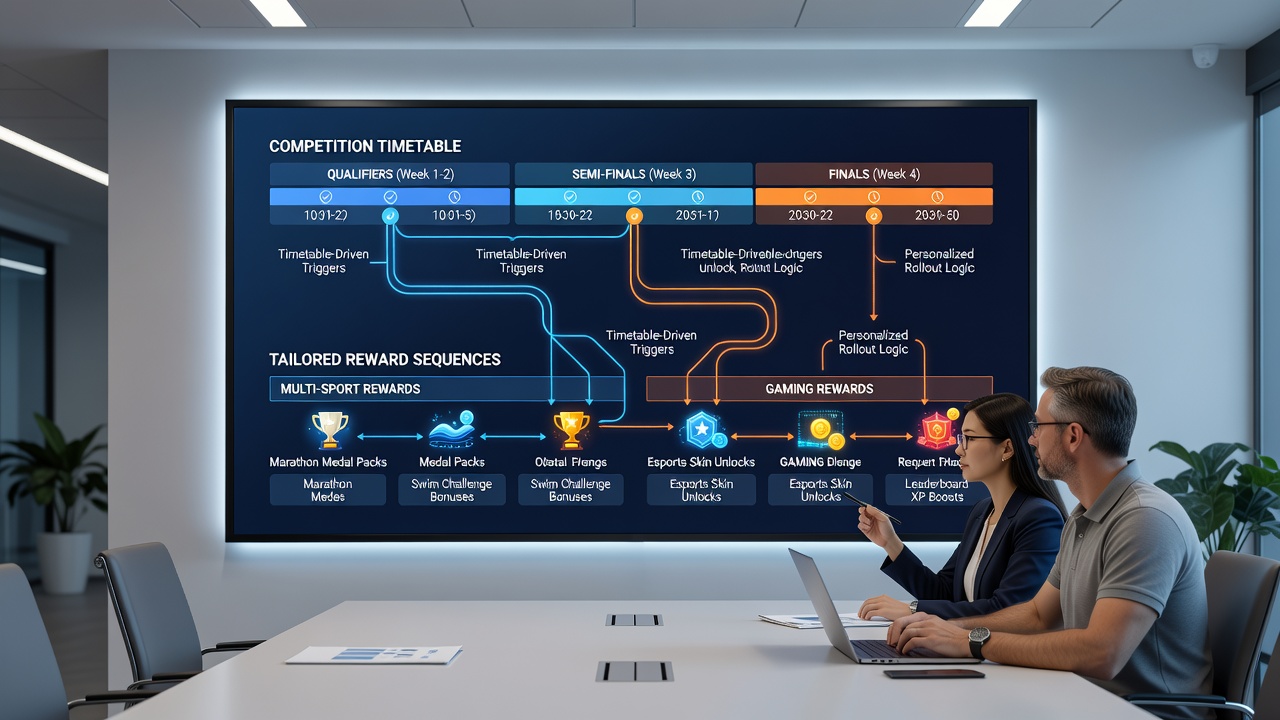
Betting apps employ algorithmic matching that ties individual user preferences to upcoming fixtures, and this produces tailored sequences where a player interested in tennis receives casino reward extensions during Wimbledon fortnight while football enthusiasts see basketball crossover offers timed to NBA finals windows. Data from the American Gaming Association shows that such timetable-responsive systems increase cross-sport engagement by aligning reward availability with broadcast schedules and fixture lists published months in advance.
During periods of fixture overlap, sequences often begin with athletic entry points then cascade into gaming components because operators observe that users who place early wagers on one sport frequently explore casino options when prompted by calendar-linked notifications, and this flow maintains activity without requiring constant new athletic events.
Regional Variations in Timetable Influence
Different jurisdictions exhibit distinct approaches based on local sporting calendars, and Australian operators, for instance, coordinate rugby league seasons with casino reward cycles more aggressively than European counterparts who prioritize football and tennis clusters. Reports from the Australian Gambling Research Centre highlight how these regional timetables affect the rollout cadence, with promotions sequenced to avoid regulatory cooldown periods while still capitalizing on event-driven traffic.
Yet the core mechanism remains consistent across markets because global events create shared pressure points that force platforms to synchronize multi-sport and gaming sequences regardless of location, and this produces predictable patterns visible in reward calendars released at the start of each athletic year.
Conclusion
Competition timetables serve as the primary driver for when and how betting apps deploy tailored reward sequences that blend sports and gaming elements, and the resulting structures reflect data-driven responses to fixture density rather than isolated promotional decisions. As calendars evolve with new tournaments and league expansions, these systems continue to adapt through established analytical frameworks that prioritize timing accuracy over static offer designs.