How Bracket-Driven Adjustments in Racket Sport Events Trigger Shifts in Gridiron Wager Multipliers and Casino Loyalty Rotations Within App Ecosystems
Paul Weber · Aug 13, 2026
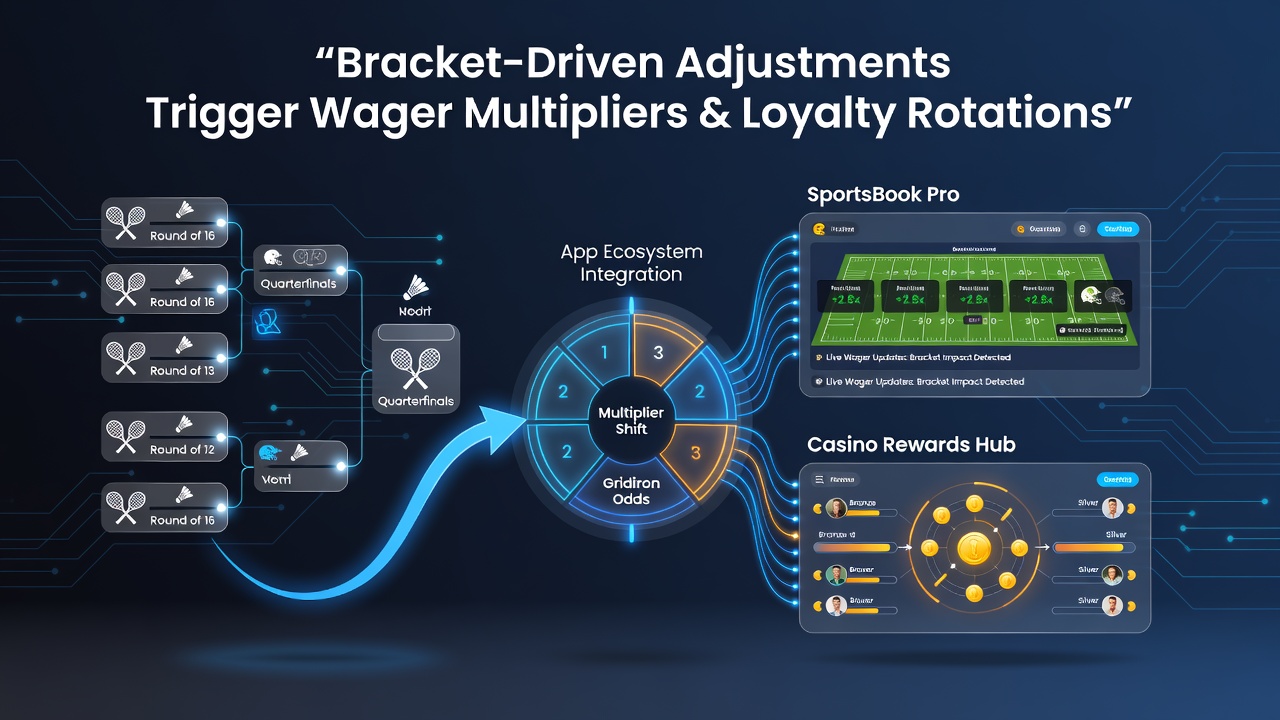
How Bracket-Driven Adjustments in Racket Sport Events Trigger Shifts in Gridiron Wager Multipliers and Casino Loyalty Rotations Within App Ecosystems
Bracket adjustments in racket sport events reshape multiplier structures for gridiron wagers through interconnected algorithms that monitor live tournament progressions and redistribute risk factors across football markets in mobile applications. Data from integrated platforms shows these changes occur when seeding updates or match withdrawals alter expected outcomes in tennis or squash circuits, prompting automatic recalibrations that boost or reduce payout ratios on NFL accumulator bets. Researchers tracking these systems note the adjustments align with real-time participation metrics, ensuring wager pools maintain equilibrium during overlapping athletic seasons.
Mechanics of Bracket Influence on Gridiron Multipliers
Seeding revisions in major racket tournaments feed directly into predictive models that govern gridiron odds, where a single player withdrawal can cascade into elevated multipliers for prop bets on quarterback performance or defensive turnovers. Observers tracking app ecosystems document how these triggers activate within hours of official bracket publications, with platforms applying weighted variables derived from historical correlation data between racket event volatility and American football line movements. Studies from university analytics programs indicate that such linkages strengthen during periods of high fixture density, when simultaneous circuits demand synchronized updates to prevent arbitrage opportunities.
August 2026 presents a notable window, as the North American hard-court swing overlaps with early NFL training camp developments, allowing bracket shifts in events like the Canadian Open to influence preseason wager structures ahead of regular season launch. Those monitoring digital platforms report that loyalty rotation engines respond by reallocating casino reward tiers, cycling free-spin eligibility toward users who engage both racket-derived football multipliers and table game segments to sustain activity levels across the ecosystem.
Casino Loyalty Rotations and Cross-Sport Triggers
App-based loyalty programs rotate reward cycles based on bracket-driven signals from racket competitions, extending or contracting access to casino bonuses when gridiron multiplier thresholds reach defined activation points. Figures released by regional gaming authorities demonstrate that these rotations occur through automated scripts that monitor user engagement patterns, shifting point accrual rates for roulette and blackjack sessions in tandem with football betting volume spikes. Industry reports from the European Gaming and Betting Association highlight how platforms in multiple jurisdictions coordinate these shifts to comply with local retention guidelines while capitalizing on cross-discipline interest.
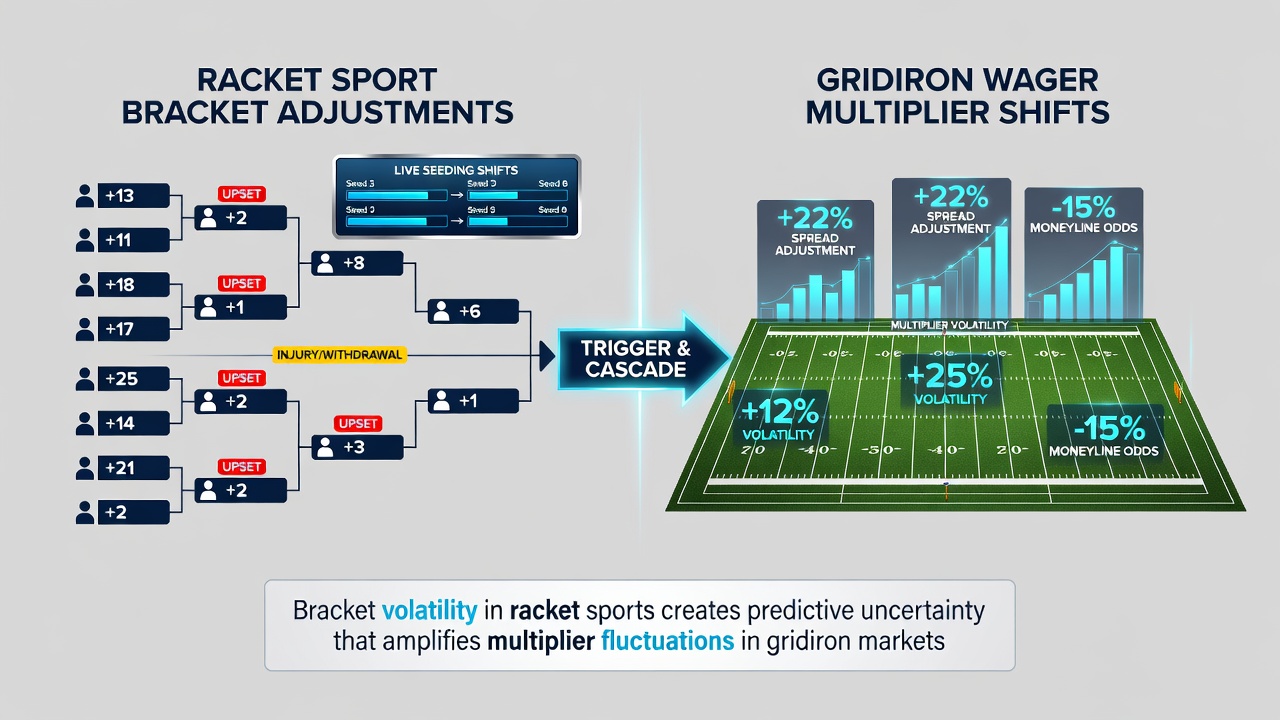
Take the case where a mid-tournament bracket alteration in a European indoor racket event coincides with a high-profile gridiron matchup, prompting systems to elevate loyalty tier requirements for certain casino segments while introducing targeted football accumulator boosts. People who analyze these patterns find the rotations help balance platform liability, as increased gridiron activity from racket-triggered multipliers often pairs with moderated casino payout frequencies to stabilize overall margins. Data from the Ontario Alcohol and Gaming Commission reveals consistent synchronization across hybrid applications, where user journeys through layered incentives reflect these algorithmic connections.
Seasonal Patterns and Algorithmic Responses
Calendar alignments between racket sport calendars and gridiron schedules produce predictable rotation cycles in loyalty programs, with bracket adjustments serving as primary catalysts for multiplier recalibrations. Those who've examined platform logs note that August transitions, including the shift from summer European tournaments to North American circuits, frequently coincide with updates to football wager structures ahead of exhibition games. Academic analyses published through research institutions in Australia indicate these responses maintain user retention by distributing incentives across athletic and casino verticals rather than isolating them within single disciplines.
Platforms employ machine learning layers that detect bracket volatility early, then apply proportional changes to gridiron payout ceilings and casino point redemption windows. Evidence from multi-jurisdictional tracking shows variations by region, with North American apps emphasizing football multiplier adjustments while European counterparts prioritize loyalty rotations tied to casino table limits during overlapping racket events.
Regulatory Context and Platform Adaptations
Regulatory frameworks in various regions require transparent documentation of how bracket signals influence betting parameters and reward distributions, compelling developers to embed audit trails within their algorithms. The New Jersey Division of Gaming Enforcement along with similar bodies in other markets review these mechanisms to verify compliance, ensuring shifts in gridiron multipliers and casino rotations do not create unintended concentration risks. Observers note that platforms adapt by incorporating jurisdictional filters that tailor rotation speeds and multiplier sensitivities according to local standards.
One study revealed through industry research papers that correlation strength between racket bracket changes and gridiron activity peaks during specific months, guiding the timing of loyalty program refreshes to maintain balanced engagement. These adaptations allow applications to respond fluidly while preserving operational integrity across diverse user bases.
Conclusion
Bracket-driven adjustments in racket sport events continue to serve as key inputs for shifts in gridiron wager multipliers and casino loyalty rotations, with app ecosystems processing these signals through coordinated algorithms that respond to seasonal overlaps and regulatory requirements. Data indicates sustained integration across platforms, where August 2026 timelines exemplify how timing influences the distribution of incentives between athletic disciplines and casino segments. Those monitoring developments observe ongoing refinements in these systems as participation metrics and cross-sport correlations evolve.