Adaptive Reward Systems Shaped by Athletic Schedules and Casino Cycles on Online Platforms
Paul Weber · Aug 27, 2026
Adaptive Reward Systems Shaped by Athletic Schedules and Casino Cycles on Online Platforms
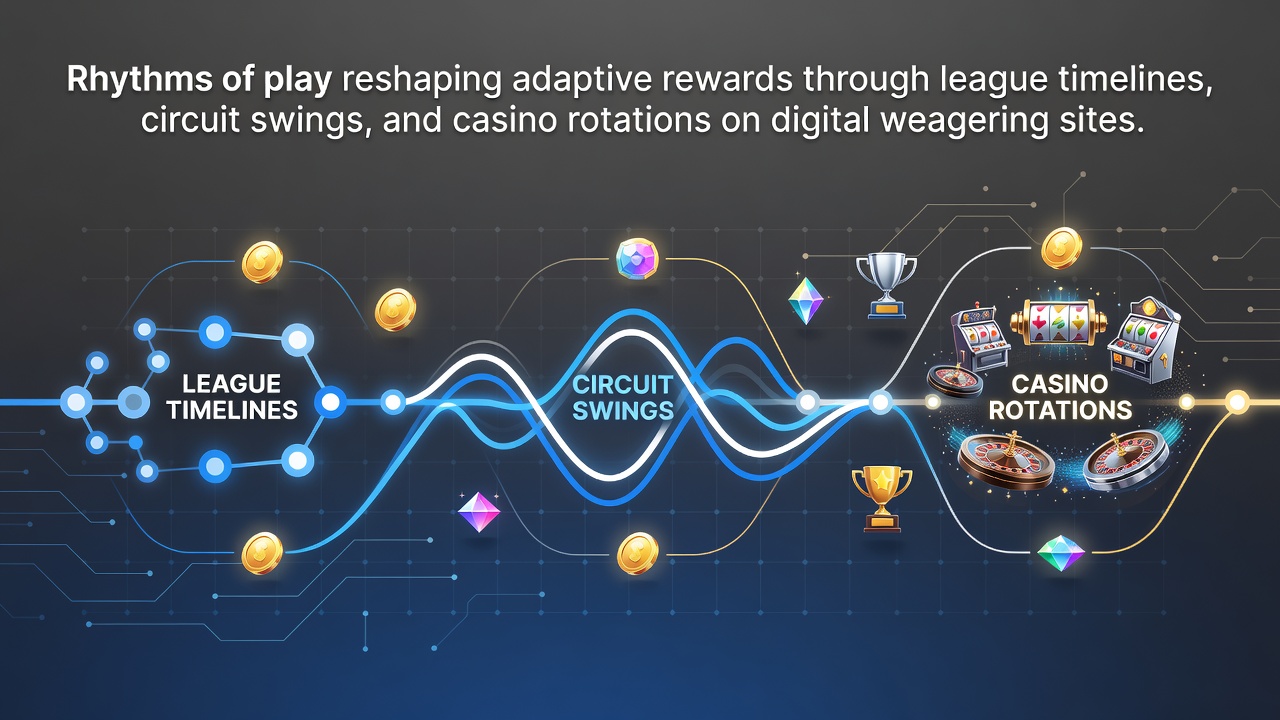
Digital wagering platforms adjust promotional structures according to the overlapping calendars of major athletic leagues, tennis circuits, and integrated casino offerings, with data from industry reports showing these alignments drive changes in bonus availability and reward personalization. Observers note that football seasons, basketball schedules, and tennis tournaments create predictable windows where operators refresh incentives to maintain user engagement across multiple game types, while casino rotations introduce free spins and table game credits that extend the lifecycle of athletic promotions.
League Timelines Driving Bonus Adjustments
Football leagues typically begin pre-season activities in July and August, and in August 2026 several major European divisions are set to launch their campaigns with accumulator boosts and deposit-matched rewards timed to opening fixtures. Platforms align these offers with basketball off-season transitions and tennis hard-court swings that run through summer months, creating layered incentives where users who complete football wagers unlock casino free-play credits. Research from the Australian Gambling Research Centre indicates that such synchronization increases retention rates during shoulder periods between major events, as operators use historical participation data to predict when reward refreshes will yield the highest activity levels.
Basketball seasons stretch from October through June in many regions, yet summer leagues and exhibition matches provide additional data points that platforms incorporate into algorithm-driven updates. Those who track these patterns find that prop bet promotions and no-deposit casino deals often coincide with key circuit events in tennis, where players advance through tournaments on different surfaces. The result is a rotating system where one sport's peak activity supports continued engagement in casino sections even when athletic calendars slow.
Circuit Swings and Cross-Game Incentive Pathways
Tennis circuits shift between clay, grass, and hard courts throughout the year, with grand slam events anchoring larger promotional pushes. Operators use these swings to introduce targeted rewards that link racket sport wagers to casino rotations, such as free spins on slots that become available after a minimum number of tennis match bets. Evidence from academic studies on gambling behavior shows that these connections help sustain platform activity when individual sports experience lulls, because users explore adjacent offerings rather than leaving during quieter athletic periods.
Casino rotations themselves follow internal cycles tied to new game releases and jackpot resets, which platforms coordinate with athletic timelines to maximize overlap. Data indicates that when a major tennis tournament overlaps with football league restarts, hybrid rewards appear more frequently, combining accumulator insurance with casino credit top-ups. This approach draws from observed user journeys where participants move between sports and table games within single sessions.
Casino Rotations Extending Athletic Promo Lifespans
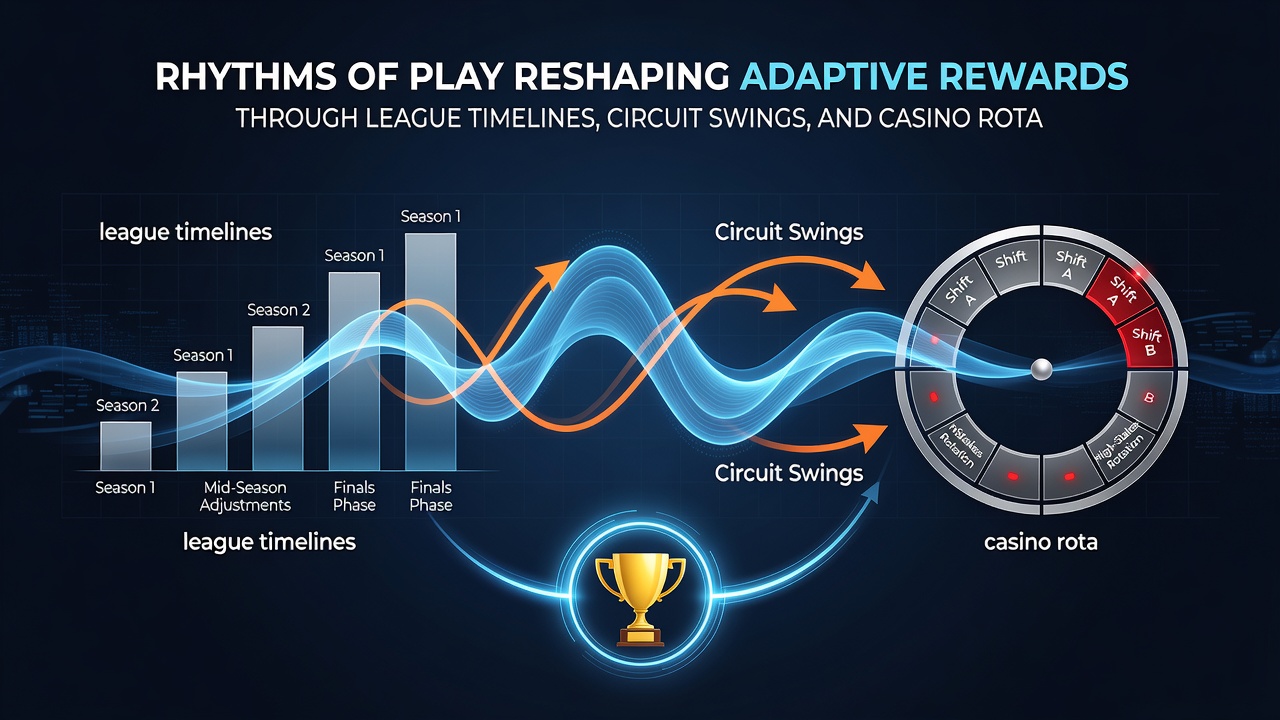
Integrated platforms maintain casino sections that rotate free-play opportunities and loyalty multipliers on schedules independent of sports yet deliberately aligned with them. When basketball seasons enter playoff phases, for instance, casino bonus cycles often extend to cover the transition into off-season periods, allowing accumulated athletic rewards to convert into table game credits. Reports from the Ontario Lottery and Gaming Corporation highlight how these mechanisms support steady revenue streams by preventing sharp drops in activity during calendar gaps.
Users encounter these rotations through personalized dashboards that reflect both their betting history and the current state of league timelines. One study of multi-game platforms revealed that participants who engage with casino elements during tennis circuit swings tend to return for subsequent football promotions, creating feedback loops that operators refine using aggregate behavioral metrics rather than individual targeting alone.
Patterns Observed Across Multiple Seasons
Longer-term analysis shows that reward ecosystems stabilize when athletic calendars and casino cycles intersect at regular intervals. August periods, including the lead-up to August 2026 campaigns, frequently feature elevated no-deposit offers that bridge summer tennis events with early football fixtures. These patterns emerge from operational data rather than isolated decisions, as platforms test variations across jurisdictions and adjust based on participation figures.
Cross-platform loyalty programs further tie these elements together, awarding points that transfer between sports wagers and casino play according to the dominant timeline at any given moment. Industry analyses confirm that such transfers reduce churn during transitions between major tournaments and league restarts.
Conclusion
Digital wagering environments continue to evolve reward structures around the natural rhythms of athletic leagues, tennis circuits, and casino rotations. Information from regulatory bodies and research institutions demonstrates that these alignments produce measurable shifts in how incentives distribute across user segments, with timing playing a central role in maintaining consistent platform interaction throughout the year.